

Betano App Nigeria: Features, How to Use & Regulations
📱 Explore the Betano app in Nigeria: full guide on downloading, betting options, secure payments ₦, and how Nigerian regulations shape your sports betting experience ⚽🛡️
Edited By
Sophie Carter
Betano old mobile shop booking app carved a niche among Nigerians who wanted quick, reliable access to mobile phones, accessories, and repair services without stepping out. Before the explosion of platforms like Jumia and Konga in the tech space, Betano offered an easy way to book and claim mobile devices from physical stores using just a phone.
Users could browse available products, place bookings for phones or accessories, and reserve repair slots from the comfort of their homes. The app primarily targeted urban centres like Lagos and Abuja, where mobile phone demand runs high and convenience matters most.
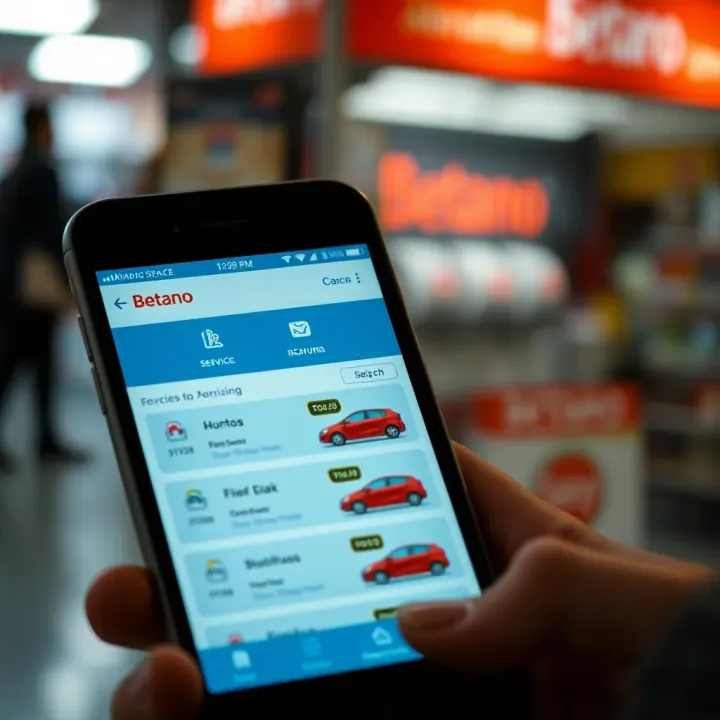
Simplicity: The interface was straightforward, requiring minimal data and easy navigation even for those not tech-savvy.
Booking Flexibility: Customers could schedule appointments for product pickup or repair services, which helped avoid long queues, especially during busy ember months.
Wide Network: Betano partnered with several local mobile shops, increasing accessibility and options.
Typically, Betano was available for download on older Android versions, reflecting Nigeria’s mixed smartphone environment. User registration required valid phone numbers and minimal personal details, making onboarding fast. After login, browsing, booking, and tracking orders happened within the app, supported by mobile money payment options like OPay and Quickteller.
However, Betano faced some challenges. Many users complained about occasional booking glitches during peak hours, delayed product availability updates, and limited support for Nigerian languages beyond English. Plus, the rise of fintech-powered e-commerce meant alternatives were offering more features, faster delivery, and wider product ranges.
For shoppers and agents operating in Nigeria’s mobile market, understanding Betano’s features and limitations helps navigate similar booking apps more effectively.
This article explores Betano’s core features, how to make the most of it, and introduces viable alternatives keeping up with Nigeria's dynamic mobile shopping scene.
The Betano old mobile shop booking app serves as a practical tool designed to simplify service access and product bookings for Nigerian users. This overview breaks down what makes the app significant, especially in a landscape where mobile commerce blends with everyday convenience. Understanding its purpose, core features, and the context around its use helps users navigate its benefits and limits effectively.
The primary function of the Betano old mobile shop booking app is to allow users to reserve products and services from mobile shops without physically visiting the store. It provides a platform to browse available items, check prices, and secure bookings through a few taps. For instance, a user in Lagos can book a phone or accessories from a store in another part of the city, saving time and transport costs.
Key features include a simple user interface for ease of navigation, booking management that allows users to view, cancel, or reschedule appointments, and payment integration supporting local options such as bank transfers or mobile money. The app also offers notifications and reminders, helping users keep track of their bookings.
This approach fits well within Nigeria’s hustle culture, where time is often as valuable as money, especially during the busy ember months or festive periods.
Betano mainly targets urban Nigerians who rely heavily on mobile phones for shopping and service access. This group includes tech-savvy youths, busy professionals, and small business owners who find physical visits to mobile shops inconvenient.
The market context highlights a rising demand for digitised shopping experiences, driven by increased smartphone penetration and intermittent power supply pushing more people to prefer online or app-based transactions. Despite internet challenges in rural areas, urban centres like Lagos, Abuja, and Port Harcourt form a solid user base.
Given the competition from platforms like Jumia, Konga, and smaller fintech apps, Betano occupies a niche by focusing on mobile shop bookings rather than general e-commerce. This specificity aims to meet the particular needs of buyers who want quick and dedicated mobile product services.
In a country where time equates to money, apps like Betano reduce unnecessary movement and make mobile shopping much easier. That said, understanding its features and target audience helps users decide if it fits their lifestyle or business needs.
By familiarising yourself with Betano’s core attributes and user base, you’re better placed to weigh its advantages and consider alternatives that might better suit your particular circumstances.

Understanding how to properly use the Betano old mobile shop booking app can save users time and avoid frustration. This section walks you through the key steps—downloading, registering, and booking services—so you can get the most out of the app without headaches. Since many users rely on apps like Betano for quick access to mobile services, grasping these steps is practical and necessary.
Getting the Betano app started begins with downloading it securely. Given the app’s age and regional circulation, it’s not always on popular app stores like Google Play or Apple App Store. Users often find the installation file (APK) on trusted websites or from mobile shops. When downloading, ensure your device allows installation from ‘Unknown Sources’ if you’re using an Android phone. That’s a common step many miss, leading to failed installs.
After the APK file downloads, locate it in your phone’s file manager and tap to install. On iPhones, installation requires a different process, often involving configuration profiles or links distributed by the provider. It’s important to verify the source to avoid malware or fake versions. Also, if you spot an extremely large file size or suspicious permissions, abort the install—that’s a red flag.
Once installed, the next step is creating an account, which is vital for personalising your experience and securing bookings. The registration process typically requires a valid phone number and possibly a locally recognised ID like National Identification Number (NIN) to comply with Nigerian regulations. After you provide the required details, the app sends a One-Time Password (OTP) via SMS for verification. This two-step authentication helps protect your account from fraud.
Logging in later is straightforward with your username (usually the registered phone number) and password. If the app supports biometric logins, such as fingerprint or face recognition, enabling those features saves time and improves security. Keep in mind that some users have reported occasional login delays during peak hours, so patience may be needed. Remember to reset your password promptly if you forget it, using the app’s recovery options.
With your account active, booking services should be smooth. The app's interface guides you through selecting what you need—whether it’s buying a new phone, scheduling repairs, or topping up airtime. The steps commonly include choosing a service, specifying details like model or amount, then confirming with a payment method.
Payments are often done via integrated gateways supporting Nigerian banks and fintech options like Paystack, Flutterwave, or direct bank transfer. Make sure your internet connection is stable before proceeding to avoid incomplete bookings. After payment, the app usually sends a confirmation message, either via in-app notification or SMS, outlining your booking details.
Pro tip: Always double-check your booking information before confirming, especially during busy ember months when demand spikes and errors can lead to cancellations.
In some cases, the app allows adding multiple services in one booking to save on time and cost. For example, you might book a phone purchase and a screen repair in one go.
Mastering these steps ensures you leverage the Betano app effectively, helping you navigate mobile shopping without the usual stress. If you face challenges, the next sections cover common issues and alternatives you can try.
Understanding common issues users face and their experiences with the Betano old mobile shop booking app helps potential users set realistic expectations and navigate challenges effectively. These insights are vital, especially for Nigerian users who rely heavily on mobile platforms amid network fluctuations and varying service quality. Knowing typical problems or strengths can save time and frustration, ensuring smoother transactions.
Users frequently report technical glitches as a major hurdle in the Betano app's functionality. For instance, slow loading times during peak hours—like during ember months when online activity surges—often disrupt bookings. Some users have encountered failed notifications or booking confirmations that never reach their phones, causing confusion and double bookings. Occasionally, the app crashes unexpectedly on both Android and iOS devices, forcing users to restart the process. These issues are not uncommon in Nigerian apps, where infrastructure and rapid growth sometimes outpace software refinement.
These technical hitches matter because they directly affect users’ ability to secure their desired products or services promptly. Take, for example, a user trying to book a popular mobile phone model ahead of a festive season; delays may mean losing out to competitors. It’s advisable for users to ensure their devices are updated and to report bugs promptly through available channels for quicker resolution.
Customer support quality significantly shapes user experience. Betano’s support system has had mixed reviews. While some users praise quick response times and helpful guidance through WhatsApp or in-app chat, others complain about delayed replies and unresolved complaints. The challenge lies partly in scaling customer service to match user demand, a common bottleneck in Nigerian digital services.
A practical tip is for users to document all interactions with customer support, including screenshots and chat records, especially when it concerns payments or booking disputes. This evidence proves vital if escalation to regulators or consumer protection bodies becomes necessary. Knowing which communication channels (email, direct app messaging, phone) are most effective can save considerable hassle.
Feedback on the Betano app is a mixed bag. On app stores, it holds moderate ratings, reflecting the balance between useful features and operational flaws. Positive comments often highlight its convenience for busy Nigerians who can’t visit physical shops during working hours, while negative feedback points to inconsistent booking fulfillment and limited payment options.
In real Nigerian market conditions, user ratings offer clues not just about the app’s technical side but its reliability and trustworthiness. It’s wise for prospective users to read recent reviews to gauge current performance levels rather than rely solely on aggregate scores. Besides, sharing experiences on social media forums or community groups can provide insights not visible in formal app reviews.
A clear understanding of common problems and user experiences empowers you to make informed decisions when using the Betano app or its alternatives, making your mobile shopping journey less stressful and more rewarding.
Looking at alternatives to the Betano old mobile shop booking app is necessary for anyone who wants to explore better options or cope with limitations of the original platform. These alternatives often offer updated features, improved user experience, and stronger customer support. For Nigerian users, especially bettors, fintech agents, and bank staff, knowing other reliable apps can make service booking smoother and save time during busy periods like ember months.
Several apps stand out in Nigeria’s mobile market for buying, selling, or booking services similar to Betano. Jumia and Konga remain household names for e-commerce, with robust platforms that include payment options and customer reviews. OPay and PalmPay are fintech apps gaining traction for quick service bookings and wallet integration, making payments fast and secure. Among betting enthusiasts, Bet9ja and NairaBet apps dominate, providing not only betting markets but also convenient user interfaces and live updates.
Aside from these, apps like Jiji and Tonaton focus on classified ads, offering direct contact with sellers for used phones and gadgets. Such apps can serve as indirect alternatives for mobile shop booking when users want to negotiate prices or pick specific vendors. For localised service bookings, platforms like Gokada (initially an okada booking app) have diversified to include wider services, reflecting the evolving Nigerian digital ecosystem.
When stacked against Betano, many alternative apps bring several advantages. Jumia and Konga have extensive product catalogues and strong logistics frameworks, but their interfaces may appear complex for casual users just booking mobile services. OPay and PalmPay excel in integrating payments directly through the app, reducing the friction of external transactions. Their seamless wallet and USSD features are particularly handy for Nigerians who face inconsistent internet connectivity or prefer offline options.
Betting apps like Bet9ja or NairaBet may not focus on mobile shop booking but boast superior user experience through intuitive layouts, better loading times, and reliable customer support. These are qualities users often lament missing on Betano. Meanwhile, classifieds platforms like Jiji offer more flexibility with direct seller negotiation but lack the convenience of in-app payment or booking confirmation.
In usability terms, apps that combine service booking with integrated payment options or quick customer feedback loops tend to outperform their peers. For example, an OPay user can book a mobile repair service and pay instantly, avoiding cash handling risks. That said, some apps still struggle with bugs or require frequent updates, which affects user confidence.
Many Nigerians prefer apps that work well despite network glitches or power outages—features Betano sometimes lacks, making alternatives worth exploring.
Choosing the right alternative depends on what a user prioritises: speed, reliability, variety, or simply easier payment. Understanding these differences can help you find an app that fits your daily needs better than the Betano app ever did.
The rise of mobile shop booking apps has transformed how Nigerians access tech products and services. As smartphones become more widespread, these platforms make it easier to browse, compare, and book mobile repairs, accessories, or purchases from the comfort of home. For users juggling busy schedules in cities such as Lagos or Abuja, these apps reduce the need to navigate through traffic or long queues at local shops. This shift links directly to Nigeria’s growing mobile commerce scene, where convenience and speed increasingly shape consumer choices.
Mobile commerce in Nigeria is booming, thanks largely to better internet access and affordable smartphones. Consumers now expect apps to provide quick, reliable service with transparent pricing. For instance, platforms like Jumia and Konga have set new standards with their easy-to-use interfaces and payment options including Paystack and Flutterwave. In the same vein, mobile shop booking apps are integrating online payment methods and real-time service updates to meet rising expectations. Beyond just buying phones, users can book repairs, order accessories, or schedule technical support in a single app, avoiding the hassle of physically going to a shop.
The ember months often see higher demand for such apps as many want quick fixes and new gadgets for festive celebrations. This period tests app reliability and customer service efficiency, influencing user loyalty.
Going forward, app developers must focus on improving user experience through faster load times, better security for transactions, and wider service coverage, including rural areas. Integration with existing fintech and mobile money services will also boost adoption since many Nigerians prefer cashless, contactless payments.
User education plays a key role, too. Clear tutorials and user-friendly design can lower barriers for less tech-savvy Nigerians, expanding the market beyond urban centres. Providers can also introduce loyalty programmes and quick customer support to build trust.
As Nigerians grow more comfortable with tech, mobile shop apps have a clear opportunity to become integral tools for device maintenance and shopping, especially if they adapt to local needs and payment styles.
In short, mobile shop booking apps in Nigeria are not just a passing trend. With consistent improvements and tailored services, they can offer practical benefits that align with Nigeria's dynamic mobile commerce environment. This will shape how users engage with technology services across the country, boosting convenience, efficiency, and overall satisfaction.
📱 Explore the Betano app in Nigeria: full guide on downloading, betting options, secure payments ₦, and how Nigerian regulations shape your sports betting experience ⚽🛡️

📱 Betano Shop Mobile brings sports betting to your phone in Nigeria. Learn how to register, pay securely with ₦, and boost your chances in the local betting scene.
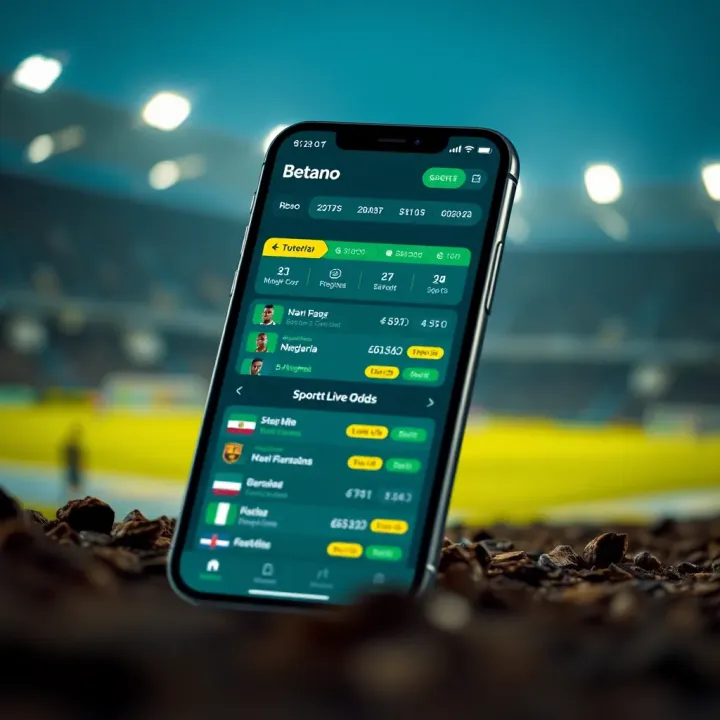
Discover Betano Sports App in Nigeria 🇳🇬 – from easy registration to secure ₦ payments, diverse sports markets, smart betting tips, and reliable support for your game-day moves!

Explore Betano Mobile Lite 📱, a smart betting app for Nigerians with limited data. Learn features, payment options ₦, device tips, and how to maximise your betting fun ⚽.
Based on 13 reviews