
Master Your Sporty Bet Shop Experience in Nigeria
🎯 Discover how to register, place bets, and use payment methods at Sporty Bet shop in Nigeria. Get tips on responsible betting and quick customer support for smooth play. ₦
Edited By
Grace Adebayo
Funding your Betano account in Nigeria through USSD is a popular choice because it’s quick and doesn’t require internet access. However, Nigerian users need to understand the fees involved with USSD deposits to avoid surprises when topping up their betting wallets.
USSD (Unstructured Supplementary Service Data) allows you to transfer money using simple codes on your phone. For Betano, this means dialling a specific code connected to your bank or mobile money provider and confirming the deposit without logging into an app or website.
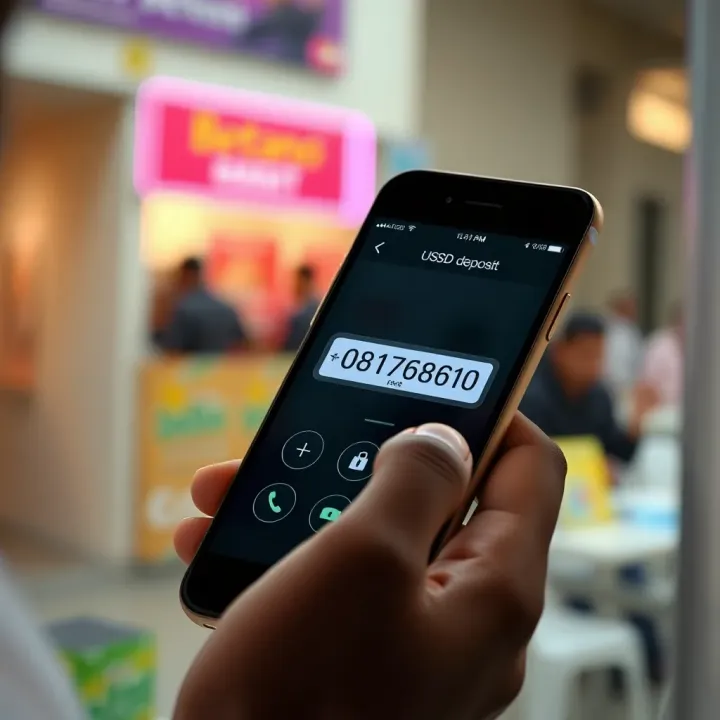
The fees for these USSD deposits usually come from two areas:
Bank or mobile network charges: These vary depending on your bank and whether your mobile provider charges for USSD sessions. Most banks charge a flat fee around ₦10 to ₦50 per transaction, but this can differ.
Betano’s processing fees: Betano might levy a small fee or percentage on deposits made via USSD. This fee is typically lower or comparable to other deposit methods but can add up.
For example, if you deposit ₦5,000 with a ₦25 bank USSD charge and Betano adds a 1.5% fee, you pay ₦25 plus ₦75 to fund your account. That’s ₦100 out of pocket for a ₦5,000 deposit.
Compared to other options like card payments or bank transfers, USSD deposits often cost less. But if you use USSD multiple times daily, fees can accumulate fast. So, knowing your bank’s policy and Betano’s fee structure keeps your betting budget healthy.
To keep deposit costs low:
Consolidate deposits to reduce the number of USSD transactions.
Choose banks or providers with lower USSD fees.
Explore Betano promotions that offer fee waivers or discounts.
Understanding these costs helps Nigerian bettors fund their Betano accounts efficiently and keep more money for the game rather than fees.
Understanding how USSD deposits function on Betano is key for Nigerian users who want a fast, secure way to fund their betting accounts without relying on internet connectivity. USSD (Unstructured Supplementary Service Data) enables direct communication between your mobile phone and the bank’s system through simple codes, making it ideal for quick transactions, especially in areas with poor smartphone data access. This section breaks down the whole process so you’ll know exactly how your money moves and what to expect.
USSD operates over GSM signalling channels, allowing users to interact with banking services by dialling short codes like *999# or *123#. Unlike apps that need data, USSD works on basic feature phones and doesn’t require internet. This immediacy and simplicity make USSD popular for making payments and checking balances across Nigeria, where network coverage can be patchy.
Most Nigerian banks have dedicated USSD codes for customers to transfer money, pay bills, or deposit funds to service providers. When you dial the bank’s USSD code, you access a menu that guides you through entering account numbers, amounts, and PINs securely. For instance, accessing GTBank’s USSD service *737# lets you transfer funds instantly without launching internet banking.
Betano in Nigeria partners with local banks to embed their USSD codes into its deposit system. This means Nigerian bettors can fund their Betano wallets by simply dialling a Betano-specific USSD code linked to their bank account. The platform then processes these deposits swiftly, even without an internet connection, broadening access for users in less urbanised areas.
To get started, you dial Betano’s USSD code provided on their site or app, for example, something like *505#. This opens a prompt that directs you to enter your bank verification and deposit details. Since USSD works on all phones, you don’t need a smartphone or mobile data to start your transaction.
After dialling the code, you’ll be asked to input specifics: the amount you want to deposit, your bank account number, and sometimes a verification PIN. For example, if you want to deposit ₦5,000, you enter ’5000’ when prompted. The system then confirms the details with you to avoid mistakes before proceeding.
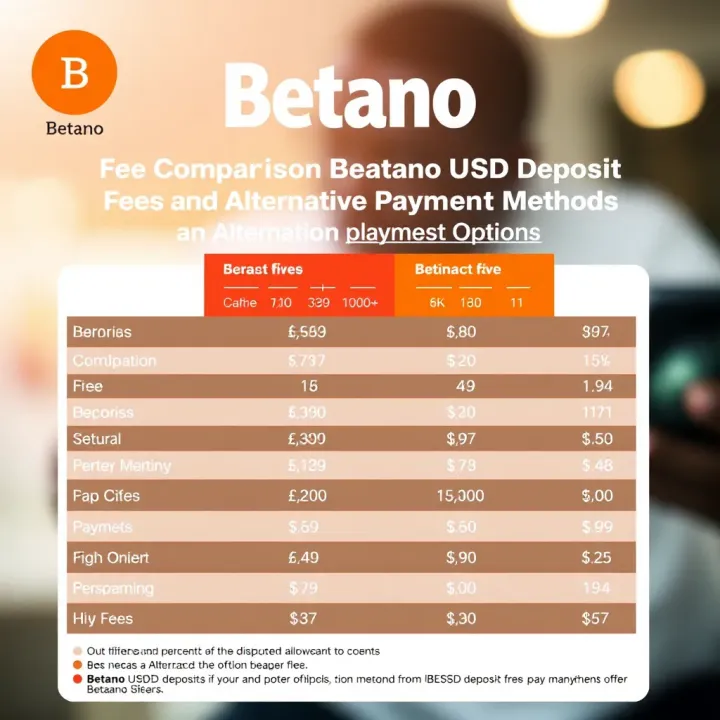
Once you provide all necessary info, Betano’s system requests your final confirmation, often by pressing a number like ‘1’ for yes. Upon confirmation, your bank debits the funds and sends an acknowledgment that the deposit succeeded. Usually, the Betano wallet reflects the credited amount immediately or within minutes, allowing you to place bets right away.
USSD deposits combine convenience with speed, especially valuable where data isn’t reliable. Knowing the step-by-step helps prevent errors and improves your confidence using Betano’s platform.
By understanding this flow, Nigerian users can efficiently manage their betting funds using USSD without worrying about complex apps or internet issues.
Understanding the fees tied to USSD deposits on Betano matters a lot, especially for Nigerian users who want to maximise their betting funds. Small charges here and there can pile up and reduce the amount you have to play with. Knowing how these fees work means you can plan better, avoid surprises, and keep more money in your betting wallet.
When it comes to USSD deposits, banks and service providers often apply either flat fees or percentage-based fees. A flat fee means you pay a fixed amount per transaction, regardless of how much you send. For instance, a bank might charge ₦50 every time you deposit via USSD, whether you’re sending ₦1,000 or ₦10,000. This type of fee can be beneficial if you deposit larger sums regularly.
On the other hand, percentage-based fees charge you a small portion of your deposit amount. For example, a 1.5% fee means depositing ₦10,000 costs you ₦150 in fees. This method can be more expensive on bigger deposits but might be fairer for small amounts. Understanding which fee type applies helps you decide how much to deposit each time to avoid overpaying.
Minimum and maximum fee limits are another important aspect. Nigerian banks often cap fees to protect both users and themselves. Say the minimum fee is ₦30 while the maximum is ₦500; this means your fee won’t go below ₦30 even on tiny deposits, and it won’t exceed ₦500 for large deposits. This system prevents fees from becoming too small to cover costs or too steep to scare users away.
Betano generally does not impose direct fees specifically for USSD deposits. Instead, it allows Nigerian banks and network providers to handle those charges. This policy means the exact fee can vary depending on your bank and mobile network, so it pays to check with them before you transact.
Additional network or bank fees might still apply, usually linked to USSD session charges or service fees charged by your mobile operator or bank. Such fees can be subtle but do add up if you deposit often. For example, some banks might debit a ₦100 fee for each USSD transaction, while certain network providers might charge for the USSD session.
Betano emphasises fee transparency by notifying users before finalising any deposit. When you initiate a USSD deposit, clear information about the charges appears on your screen, helping you confirm the transaction with full knowledge of the fee involved. This openness prevents unexpected deductions and boosts user confidence.
Knowing the nuances of USSD deposit fees on Betano can help you manage your betting budget better and avoid unnecessary costly surprises.
By understanding these details, Nigerian bettors can make smarter decisions on how often and how much to deposit, saving money over time and improving their overall betting experience.
Comparing USSD deposit fees with those of other payment methods on Betano helps Nigerian users make smarter choices when funding their betting accounts. Understanding these differences ensures you keep more of your money for betting, avoiding unnecessary charges that chip away at your bankroll. Since fees vary depending on the channel, knowing which method offers the best value is key for both casual and serious bettors.
Fees for debit and credit card deposits usually involve a small fixed charge or a percentage of the deposit amount, often between 1% to 2%. For example, depositing ₦10,000 via your GTBank debit card might incur a fee of ₦100 to ₦200, which is deducted upfront. Credit cards tend to have slightly higher fees due to additional bank levies, so it's wise to check with your bank before choosing this option.
Popular e-wallet options in Nigeria like Paystack and Flutterwave power many wallets integrated within apps such as OPay and PalmPay. These wallets offer quick, convenient deposits with generally lower fees compared to cards. Some wallets waive fees for certain thresholds or promotional periods, which can save you money in the long run. These platforms also stand out because they allow users to fund their Betano account directly from their mobile wallet balance, bypassing bank charges.
Cost differences and processing times vary significantly. Card payments usually process instantly but with slightly higher fees. Wallet transfers strike a balance, with moderate fees and fast transaction speeds, often completing in seconds. USSD deposits, while convenient, may attract higher fees depending on your bank’s charges and sometimes take a few minutes longer to reflect. Knowing the trade-off between cost and speed helps in choosing the optimal deposit method.
Charges on direct bank transfers can range from ₦50 to ₦150 per transaction, depending on the banks involved. Some banks apply a flat fee, while others charge a percentage-based fee. These fees add up, especially if you transfer small amounts frequently. It’s worth noting that bank transfers may take longer to reflect in your Betano account compared to instant USSD or wallet deposits.
Benefits of mobile money platforms like OPay and PalmPay include lower or zero transaction fees for deposits. These services simplify funding by consolidating multiple payment options and often provide promotions to encourage usage. For users battling erratic NEPA power or fuel scarcity, wallets reduce dependency on physical bank branches or POS terminals. Moreover, they offer transaction histories that make tracking deposits easier, which is practical for budgeting betting spend during peak periods like ember months.
When choosing a deposit method for Betano, consider both the fees and how quickly your funds become available. Sometimes paying a slightly higher fee for instant access is worthwhile, especially before big matches where timing counts.
In brief, comparing these payment methods on fee charges and convenience empowers you to fund your Betano bets efficiently. Whether you prioritise speed, cost, or the ease of use, understanding these nuances ensures your betting budget works harder for you.
Understanding how to cut down on fees when using USSD to deposit on Betano can save you serious naira over time. These fees, even if small per transaction, build up quickly if you're not careful. By planning your deposits smartly and picking the right banks, you keep more of your betting funds intact. Here are some practical ways to achieve that.
Avoiding small, frequent deposits is one of the easiest ways to stop fees from piling up. Each USSD deposit usually attracts a flat or percentage fee, so doing ten ₦500 deposits instead of a single ₦5,000 deposit means paying fees ten times rather than once. For instance, if your bank charges ₦50 per USSD transaction, ten small deposits will cost ₦500 versus just ₦50 for a single large deposit. This difference has a direct impact on how much you have to wager.
Planning deposits around fee thresholds also helps. Some banks or networks waive fees beyond certain transaction amounts or offer lower percentage fees after a deposit crosses a specific value. Say your bank charges 1% for deposits under ₦10,000 but waives fees for deposits above ₦10,000. Arranging to deposit ₦10,500 once minimizes costs compared to making multiple smaller deposits. Checking your bank’s USSD fee structure can guide you to the best deposit sizes.
Not all Nigerian banks charge the same fees for USSD transactions. Comparing fees across different banks is worth the effort if you frequently fund your Betano account via USSD. For example, some banks like Stanbic IBTC or GTBank may charge a flat ₦15 fee per USSD transaction, while others could ask for ₦50 or more. Using a bank with lower fees makes every naira count.
Another way to reduce costs is by taking advantage of bank promotions and fee waivers. Nigerian banks occasionally run campaigns where USSD fees are waived entirely or reduced, especially for new customers or during specific periods like the ember months. Some banks also provide loyal customers with fee-free USSD transactions as part of premium account perks. Keep an eye on such offers through your bank’s mobile app or SMS alerts, as capitalising on them can lower your deposit expenses noticeably.
Managing your USSD deposit charges wisely not only boosts your betting bankroll but also reduces the need to juggle multiple payment methods just to save a few naira.
By optimising how much and how often you deposit, and by choosing banks with pocket-friendly USSD fees or promotions, betting on Betano becomes a more cost-effective and enjoyable experience.
Grasping how USSD deposit fees affect your betting budget is vital for any Nigerian user funding a Betano account. These fees can chip away at your actual betting balance without you noticing immediately. Knowing what you're really getting after fees helps you plan your stakes better and avoid unexpected losses.
Imagine you want to deposit ₦5,000 through USSD, but the bank or network charges a ₦100 fee. Instead of having ₦5,000 to place bets, you actually get ₦4,900. If you’re unaware, your betting capital shrinks before the game even begins. This scenario matters more for frequent small deposits, as the charges add up quickly, reducing the money that actually reaches your Betano wallet.
In another example, suppose a percentage-based fee of 2% applies on a ₦10,000 deposit. That means you lose ₦200 upfront and start betting with ₦9,800. Over time, especially during the ember months when bets tend to be heavier, such fees can significantly eat into your available funds.
Adjusting your betting stakes means recalculating your budget after fees. If you planned to stake ₦1,000 per bet thinking you had the full deposit amount, you might need to reduce that to fit your effective balance. A simple way to manage this is to always check the expected fee upfront and subtract it from your deposit to know your real betting capital.
Frequent bettors should manage their budgets carefully to prevent fees from eroding their funds. One practical tip is to minimise the number of small deposits. Instead, make larger, less frequent deposits to reduce total fees paid. Keeping track of your spending patterns and fees can help you plan deposits better.
During periods of heavy betting, like the ember months or when events like Sallah or Christmas draw big wagers, consider alternative funding options. Sometimes, mobile money platforms or wallet transfers offer lower charges. Some Nigerian banks waive USSD fees on certain transactions or promote free deposits, so switching banks or using promotions can save money.
Remember: every naira lost to deposit fees is money you can’t use to win or enjoy betting. Planning your funding strategy carefully ensures your betting bankroll stays robust over time.
In summary, understanding the real cost of USSD deposits on Betano helps Nigerian users make smarter decisions, preserve their betting capital, and enjoy the platform without unnecessary losses.
🎯 Discover how to register, place bets, and use payment methods at Sporty Bet shop in Nigeria. Get tips on responsible betting and quick customer support for smooth play. ₦
Based on 5 reviews