
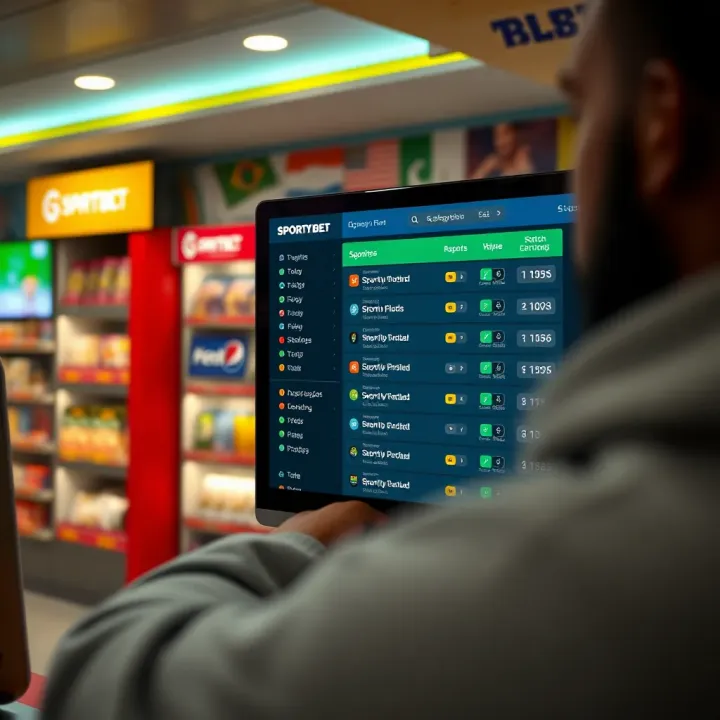
Master Your Sporty Bet Shop Experience in Nigeria
🎯 Discover how to register, place bets, and use payment methods at Sporty Bet shop in Nigeria. Get tips on responsible betting and quick customer support for smooth play. ₦
Edited By
David Linton
Gambling in Nigeria operates under a legal framework that allows certain activities while strictly regulating others. It is not a free-for-all; the government sets clear boundaries on what types of gambling you can legally participate in and who can run these businesses.
The primary law governing gambling in Nigeria is the National Lottery Act, alongside state laws and regulations that address casinos, sports betting, and lotteries. You might've noticed the boom in sports betting platforms like Bet9ja, NairaBet, and Merrybet — these are examples of licensed operators allowed by the government to offer betting services nationwide.
However, not all forms of gambling enjoy legal protection. Traditional betting with strangers on the street or unlicensed operators usually falls outside the law and risks penalties. The government keeps a close eye on illegal gambling through agencies like the National Lottery Regulatory Commission (NLRC).
Licensed gambling businesses must follow strict guidelines, including paying taxes, ensuring fair play, and protecting younger or vulnerable players.
Here are key points every Nigerian should know:
Legal forms: Sports betting, national lotteries, casinos (in certain states), and horse racing are permitted when operated under proper licences.
Illegal gambling: Any betting activity without a licence or involving counterfeit games is prohibited.
Regulatory bodies: Besides the NLRC, some state-level gaming boards oversee local casino operations and betting shops.
Online gambling: You'll find many Nigerian-licensed websites offering online bets, but caution is needed to avoid scams.
The government's stance is clear: gambling is allowed but regulated tightly to protect consumers and the economy. If you plan to gamble, always check if the platform or outlet is officially licensed. This step safeguards you from falling victim to fraud and ensures your winnings are secure.
Understanding Nigeria's gambling laws helps you play smart and stay on the right side of the law while enjoying your bets responsibly.
Understanding the current legal position of gambling in Nigeria is essential for anyone involved or interested in the sector. Knowing which activities are lawful helps players avoid illegal betting traps and enables operators to comply with regulations, preventing hefty fines or shutdowns. For example, many sports betting companies operate openly because they adhere to the laws, while rogue operators often face swift government action.
The primary legal framework overseeing gambling in Nigeria includes the National Lottery Act and the Betting Act, alongside regulations from the National Lottery Regulatory Commission (NLRC). These laws set the rules for licensing, operation, and enforcement to ensure gambling activities are conducted fairly and transparently. For instance, any business wanting to organise a lottery or run a betting shop must obtain official licences, or they risk prosecution.
Historically, Nigeria treated gambling with caution, especially during colonial times when strict laws aimed to curb excessive betting. Over decades post-independence, the government created specific bodies and laws to regulate the sector rather than ban it outright. This evolution reflects Nigeria’s growing appetite for gambling, leading to more legal clarity today, which benefits lawful operators and protects consumers.
Sports betting stands as one of the most popular and legally permitted forms of gambling in Nigeria. Licensed operators offer bets on football matches, basketball, and other sports events. It’s common to find betting centres in cities like Lagos and Abuja, as well as online platforms like Bet9ja and Nairabet that Nigerians use extensively. This activity generates significant revenue and creates jobs, but only when operators are duly licensed.
Lottery games are also officially allowed, regulated under the National Lottery Act. These include ticket-based draws where participants stand to win cash prizes. The government monitors these lotteries closely through the NLRC to ensure transparency and prevent fraud. Offering lottery products legally often requires thorough vetting to protect players from rigged games.
Casinos in Nigeria operate legally but are limited and tightly controlled. Most casinos are found in major urban centres, functioning under strict licences issued by relevant state authorities. These establishments offer games like roulette, blackjack, and poker but must adhere strictly to regulatory guidelines. The controlled nature of casino operations helps reduce illegal gambling and its associated risks.
Nigerian law prohibits certain gambling forms considered fraudulent or harmful, including some underground card games and unregistered betting shops. These illegal games lack oversight and carry risks of cheating or money laundering. For Nigerians, engaging in such games can lead to legal trouble and financial loss.
Online gambling without a valid licence is also banned. Despite the rise of internet betting, any platform offering gambling services must secure approval from the NLRC and other bodies. Unlicensed operators face immediate shutdowns, and users might not be protected from scams or unfair dealings. Nigerians are advised to verify licences before engaging with online betting sites to avoid losing their money to fraudsters.
Always check for proper licensing before placing bets, whether offline or online, to stay on the right side of the law and protect your funds.

Regulatory bodies play a critical role in keeping Nigeria's gambling industry fair, transparent, and accountable. They ensure gambling activities comply with legal standards and protect consumers from fraud or exploitation. Without effective regulation, illegal operations could flourish, causing losses not only for players but also for government revenues and the broader economy. Understanding these organisations helps bettors and operators know who to approach or hold responsible in case issues arise.
The National Lottery Regulatory Commission (NLRC) oversees lottery and other gambling activities across Nigeria. Their main role includes issuing licences that permit operators to run legitimate gaming businesses. This licensing process evaluates applications to confirm that operators meet strict criteria, such as financial soundness, transparency, and ethical standards. For example, if a sports betting company wants to operate nationwide, it must secure a licence from the NLRC, showing it can handle player funds securely and follow the law.
This oversight provides assurance that licensed companies run their games fairly and responsibly. Customers can trust that operators under the NLRC follow regulations designed to prevent rigging or unfair practices. Plus, the commission regularly monitors licence holders to make sure they don’t slip up during operations.
When gambling operators violate laws or licence conditions, the NLRC has powers to act swiftly. This enforcement can range from fines and suspension of licences to outright revocation, shutting down businesses that harm players or break rules. For instance, a sportsbook caught fixing outcomes or engaging in money laundering risks losing its licence and facing penalties.
Besides sanctions, the NLRC also investigates complaints from the public and may collaborate with law enforcement to pursue illegal gambling rings. Their active enforcement helps keep the betting scene cleaner and discourages fraudulent ventures that might exploit unsuspecting Nigerians.
While the NLRC operates at the federal level, individual Nigerian states have their own gambling authorities with varying approaches. Some states impose stricter rules or different tax rates, while others focus more on curbing illegal activities locally. For example, Lagos State, with its bustling population, maintains tight controls on physical casinos and betting shops to avoid social disturbances.
States might also have unique licensing requirements for operators wishing to run businesses within their borders. This patchwork means operators must navigate both federal and state rules, making compliance a practical challenge but vital for legitimate operations.
State gambling authorities often work hand-in-hand with the NLRC and law enforcement bodies. This cooperation ensures consistent application of the law across Nigeria’s diverse regions. For example, a suspicious online bookmaker operating across multiple states would attract joint investigations and enforcement efforts.
Such collaboration strengthens regulatory oversight by combining resources, intelligence, and enforcement powers. It also helps develop unified policies that protect players, maintain market integrity, and generate government revenue that can fund critical sectors.
Understanding the roles of these regulatory bodies empowers Nigerians to make safer gambling choices and supports a healthier gambling environment across the country.
Online gambling has reshaped Nigeria’s betting landscape, becoming a major part of how many Nigerians engage with sports and chance games. Understanding its operation under Nigerian law is key for bettors, fintech workers, and regulators alike. This sector's rapid growth spotlights the balance between encouraging innovation and protecting consumers.
In recent years, online betting platforms have exploded in popularity across Nigeria. Names like Bet9ja, NairaBet, and Merrybet dominate the scene, offering accessible sports betting through mobile apps and websites. These platforms connect millions of Nigerians to local and international events, making betting seamless even from remote areas. For example, a football fan in Jos can easily place a bet on the English Premier League via Bet9ja within minutes, thanks to mobile internet.
This digital convenience helps explain the rise in user numbers, especially among youth who find physical betting shops less accessible or less discreet. However, the surge brings challenges. Some platforms operate without proper licences, raising concerns about legitimacy, fairness, and consumer safety.
Regulating online gambling is tricky in Nigeria. While federal laws and some state regulations exist, enforcement is uneven across regions. The National Lottery Regulatory Commission (NLRC) handles licensing but faces difficulty policing all online operators, partly due to the cross-border nature of the internet.
Unlicensed platforms can evade taxes and avoid consumer protection rules, putting Nigerian bettors at risk. Also, Nigeria’s inconsistent power supply and internet access disparities create gaps where these platforms exploit vulnerabilities or leave users exposed to disruption and fraud. The government must continuously adapt its frameworks to cover emerging technology and platforms, ensuring that the facts on the ground meet official standards.
Operators wanting to run betting sites in Nigeria must first secure licenses from the NLRC. This process requires meeting specific standards on transparency, data security, and responsible gambling practices. Importantly, the business should prove it can handle consumer complaints fairly and maintain financial accountability by separating clients’ funds from operational money.
Such regulatory demands help keep platforms honest and encourage trust among Nigerian users. Licensed platforms often undergo routine audits and must provide clear evidence of fair play, which is vital when dealing with large sums of ₦.
Consumer safeguards in Nigerian online gambling include age restrictions, self-exclusion options, and limits on betting amounts to prevent addiction. Licensed operators are mandated to educate users about risks and provide links to counselling for problem gamblers.
These protections reflect a growing awareness of gambling's social impact. Bettors should always check for official licences displayed on platforms before staking any money. Paying attention to terms and conditions, opting for secure payment methods like bank transfers or reputable fintech services (e.g., Paystack, Flutterwave), and knowing how to report suspected fraud are practical steps that enhance player safety.
Stay alert: Only interact with platforms regulated by Nigerian authorities to protect your funds and enjoy a fair betting experience.
Online gambling in Nigeria advances fast, but staying within the legal and regulated framework is crucial. It not only ensures safer transactions but supports a healthier gambling environment for everyone involved.
Gambling in Nigeria is more than just a pastime; it shapes social patterns and economic dynamics significantly. Understanding its effects helps bettors and other stakeholders navigate this sector wisely. On the economic front, gambling creates jobs and generates tax revenues, which contribute notably to national revenue. Socially, it raises concerns around addiction and protection of vulnerable groups, issues that must be addressed to prevent negative fallout.
The gambling industry in Nigeria supports thousands of jobs directly and indirectly. From call centre staff at betting companies like Bet9ja and NairaBet to agents in local communities, the sector is a key employer. Additionally, investment flows into the industry from local and foreign firms help modernise technology platforms and infrastructure, benefiting the broader economy. For example, FinTech startups involved in payment solutions for betting platforms have seen impressive growth alongside gambling’s rise.
Tax revenues from gambling form an essential part of government income. Licensed operators pay levies and taxes to federal and state governments, boosting fiscal capacity. These funds can support public projects and social services if properly managed. For instance, the National Lottery Regulatory Commission (NLRC) tracks licensed activities to ensure compliance and collect dues, thus enhancing government earnings. Without formal regulation, significant sums might slip off the books, undercutting public funding.
While gambling can be entertaining, addiction is a very real threat. Some Nigerians develop problem gambling habits leading to financial distress, family tensions, and mental health issues. Cases of excessive betting during big football tournaments or seasonal draws have been reported, sometimes resulting in severe consequences for households. Understanding this risk is vital for everyone engaging in gambling.
The government and operators have taken steps to protect vulnerable individuals, such as youths and people with predispositions to addiction. This includes enforcing age restrictions, promoting responsible gambling messages, and supporting self-exclusion programmes on reputable platforms. Moreover, some states are beginning to set up counselling centres and awareness campaigns targeting problem gamblers. These efforts aim to balance the economic benefits of gambling with necessary social safeguards.
Solid regulation and community education help ensure gambling remains a source of entertainment and revenue, not social harm.
In summary, gambling’s social and economic impact in Nigeria calls for ongoing attention from policymakers, industry players, and the public to maximise benefits while reducing risks.
Gambling in Nigeria comes with clear regulations that every bettor should understand to avoid trouble. Knowing what to watch out for helps you protect your money and enjoy gaming without risk. Since gambling laws aim to curb illegal operators and safeguard players, being aware of the legal framework and practical precautions is essential.
Signs of legitimate gambling businesses are usually straightforward if you know where to look. Lawful operators hold valid licences issued by the National Lottery Regulatory Commission (NLRC) or relevant state authorities. These licences should appear prominently on their websites or physical outlets, complete with clear contact details and transparent terms. For example, reputable platforms like Bet9ja and NairaBet display their licences openly and comply with consumer protection rules.
Besides licensing, safe businesses offer secure payment channels like GTBank, Access Bank, or Flutterwave integration, rather than suspicious third-party wallets. They also have verified customer support contacts and positive user reviews from Nigerian bettors — warnings you can check on social platforms and forums.
Tips to avoid scams include watching out for operators promising unrealistic winnings or pressuring quick deposits. Many scam sites hide behind fake testimonials or imitate popular platforms to trick players. Never share your bank or BVN details recklessly and verify URLs carefully to avoid phishing attempts.
Avoid gambling through unregulated WhatsApp groups or social media pages with no clear official presence. If an offer sounds too good to be true, it probably is. Always stick to well-known operators and report suspicious platforms to authorities or consumer protection bodies.
Penalties for offenders can be severe, including hefty fines and possible prosecution. Nigeria’s gambling laws consider unlicensed gambling a criminal offence, with some states imposing fines up to ₦5 million or imprisonment for repeat offenders. Engaging in or running illegal gambling businesses puts you at risk of losing not just your winnings but also facing legal action that can affect your future.
How to report illegal activities is a crucial step every bettor should know. If you come across unlicensed operators or suspect scams, you can report them to the National Lottery Regulatory Commission or state gambling authorities. Tip-offs can also be directed to consumer rights organisations or security agencies like the Economic and Financial Crimes Commission (EFCC).
Providing clear details – such as names, locations, URLs, or any suspicious behaviour – helps authorities act promptly. Reporting such activities protects others and strengthens the overall gambling ecosystem in Nigeria.
Remember, betting with licensed operators is not just safer, but you also support a regulated industry which contributes to Nigeria’s economy and employment.
By keeping informed and cautious, Nigerians can enjoy gambling responsibly without falling into legal or financial pitfalls.
🎯 Discover how to register, place bets, and use payment methods at Sporty Bet shop in Nigeria. Get tips on responsible betting and quick customer support for smooth play. ₦
Based on 15 reviews